0% APR Plus No Payments for 12 Months
on Select New Plumbing & HVAC Systems

Back to Blog
Common Winter Plumbing Emergencies Maryland Homeowners Should Never Ignore
Winter temperatures in Maryland can create serious stress on home plumbing systems, leading to problems that escalate quickly if they are not addressed. Cold weather increases the risk of frozen pipes, water heater failure, and other issues that can cause costly damage in a short amount of time. Understanding the most common winter plumbing emergencies helps homeowners protect their property and respond before problems get worse.
In this blog, Staton Plumbing, Heating & Cooling explains the top winter plumbing emergencies Maryland homeowners should never ignore and why quick action is essential.
Why Winter Increases Plumbing Problems
Cold Maryland winters place added strain on plumbing systems, especially in homes with older pipes or areas where plumbing is exposed to outdoor temperatures. When water freezes, it expands, putting pressure on pipes and fixtures that are not built to handle the added stress. This makes winter one of the most common seasons for plumbing emergencies.
Key Factors That Increase Winter Plumbing Risks
- Freezing temperatures: Cold weather causes water to freeze inside pipes, which increases the chance of blockages and pipe bursts.
- Heat loss in uninsulated areas: Basements, crawl spaces, and garages often get colder than other parts of the home, making pipes more vulnerable.
- Higher water demand: Showers, laundry, and dishwashing often increase in winter, placing more stress on plumbing systems.
- Aging plumbing systems: Older Maryland homes with outdated pipes face a higher risk of winter-related failures.
Understanding these seasonal stressors helps homeowners recognize problems earlier and take steps to prevent major damage.
Frozen Pipes
Frozen pipes are one of the most common and urgent winter plumbing emergencies Maryland homeowners experience. When water inside a pipe freezes, it expands and creates pressure that can lead to cracks or even a full burst. Once the pipe thaws, the released water can cause significant and fast-moving damage.
Signs of frozen pipes homeowners should look for:
- Little to no water flow: A sudden drop in pressure often means ice is blocking the pipe.
- Frost on exposed pipes: Frost on the outside usually means the inside is freezing as well.
- Unusual noises: Clicking or banging sounds can occur as ice forms and expands.
- Cold walls or floors: Very cold spots may indicate a frozen pipe behind the surface.
Frozen pipes become dangerous when pressure builds inside the pipe:
- Bursting becomes likely: Expanding ice forces the pipe to crack or split.
- Damage escalates quickly: Once the pipe thaws, large amounts of water can spill into the home.
- Hard-to-reach areas are most at risk: Pipes in crawl spaces, attics, and exterior walls freeze first and often cause the most damage.
Homeowners should call a professional when the issue does not resolve quickly:
- Water flow does not return after warming the area: This indicates a deeper blockage or worsening freeze.
- Pipes show swelling, cracking, or frost separation: These are signs a burst may occur at any moment.
- Ice is visible inside accessible pipes: A professional can thaw the pipe safely and prevent structural damage.
Burst Pipes
Burst pipes are one of the most serious winter plumbing emergencies Maryland homeowners can face. When a frozen pipe cracks under pressure, it can release gallons of water in minutes, causing extensive damage to walls, flooring, insulation, and personal belongings. Fast response is essential to limit repairs and protect the home.
A pipe usually bursts when freezing water expands and forces the material to split:
- Pressure builds inside the pipe: As ice expands, it pushes against the pipe walls until they can no longer hold.
- Weak or aging pipes fail first: Older plumbing materials or corroded pipes have a higher bursting risk.
- Thawing causes sudden flooding: Once the ice melts, water gushes through any cracks or ruptures.
Burst pipe damage becomes severe quickly if water is not shut off:
- Flooding spreads across floors and walls: Water moves fast and can reach additional rooms within minutes.
- Structural damage can occur: Saturated materials can swell, rot, or weaken.
- Mold growth becomes likely: Moisture trapped inside walls creates ideal conditions for mold within 24 to 48 hours.
Homeowners should act immediately when a pipe bursts:
- Turn off the home’s main water supply: This stops water flow and limits damage.
- Shut off power in affected areas: Wet electrical systems create safety hazards.
- Call a plumbing professional right away: Burst pipe repairs require expert tools, safe cleanup methods, and a full inspection to prevent future issues.
Water Heater Failure
Water heater issues are common during Maryland winters because cold temperatures force the system to work harder. When a water heater struggles or fails, homeowners may lose hot water entirely or experience inconsistent temperatures that disrupt daily routines.
A water heater often fails in winter because demand increases and components work harder:
- Cold incoming water requires more heating: This makes the unit run longer and more frequently.
- Older systems strain under heavy use: Aging water heaters may not keep up with winter demand.
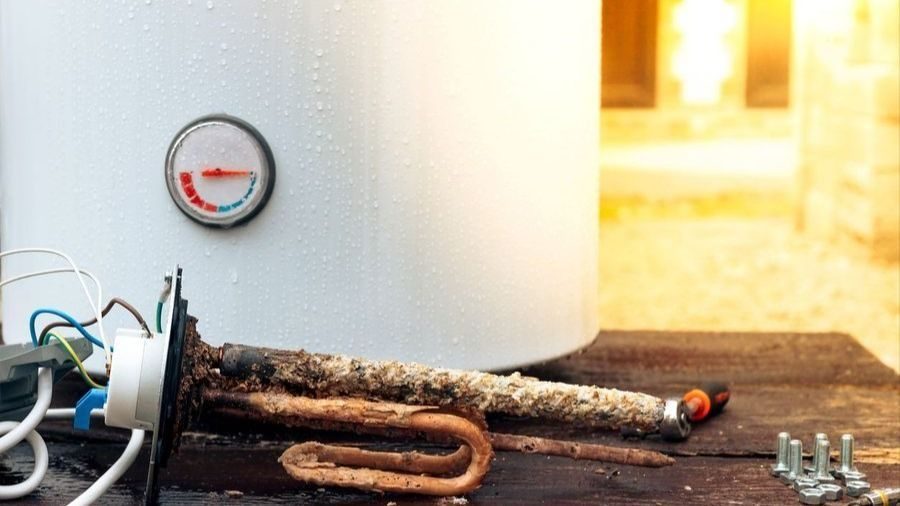
- Sediment buildup affects performance: Minerals collect at the bottom of the tank and reduce heating efficiency.
Warning signs of water heater problems become more noticeable in winter:
- Water turns lukewarm or cold: This often indicates a failing heating element or insufficient capacity.
- Strange noises come from the tank: Rumbling or popping sounds can signal sediment buildup.
- Rust-colored water appears: Corrosion inside the tank can affect water quality.
- Visible leaks form around the base: This may indicate tank deterioration.
Homeowners should call a professional if the system shows signs of failure:
- Hot water consistently runs out: A technician can determine whether repair or replacement is needed.
- The tank leaks or bulges: This requires immediate service to prevent flooding.
- Pilot lights or thermostats malfunction: A professional can safely diagnose electrical or gas-powered issues.
Clogged Drains and Sewer Backups
Winter weather can make drain and sewer problems more common for Maryland homeowners. Cold temperatures, increased indoor activity, and seasonal debris all contribute to blockages that can slow drains or cause dangerous sewage backups.
Drains and sewer lines clog more easily in winter because cold weather affects how waste and water move through the system:
- Grease and fats solidify faster: Cooking oils harden in cold pipes and create stubborn blockages.
- Heavier household use increases strain: Families spend more time indoors, which puts more waste into drains.
- Tree roots continue growing underground: Roots can invade older sewer lines and restrict flow, even in winter.
- Freezing soil shifts pipes: Temperature changes can crack or misalign exterior sewer lines.
Warning signs often appear before a full backup occurs:
- Multiple slow drains: When more than one drain slows down, the issue may be in the main sewer line.
- Gurgling noises from toilets: Air trapped by partial blockages creates bubbling sounds.
- Unpleasant odors: Sewer gas escaping from drains is an early warning sign.
- Water backing up into tubs or lower-level fixtures: This indicates a serious obstruction.
A professional should inspect the system when these signs appear:
- Backups can release contaminated water: Sewer water poses health risks and requires proper cleanup.
- DIY methods may make the problem worse: Store-bought drain cleaners or home tools can damage pipes.
- A plumber can locate the blockage: Professional equipment can clear sewer lines and prevent future issues.
Frozen Outdoor Faucets and Hose Bibs
Frozen outdoor faucets and hose bibs are common winter problems that Maryland homeowners often overlook. When these exterior fixtures freeze, the damage can extend into the connected interior pipes, leading to leaks inside the home once temperatures rise.
Outdoor faucets freeze because they are exposed to extreme cold without insulation:
- Residual water inside the faucet expands: Even a small amount of water can freeze and damage components.
- Cold temperatures travel through the pipe: The freeze can extend into the interior plumbing line.
- Improper winterization increases risk: Leaving hoses attached traps water inside the faucet assembly.
Frozen faucets can cause serious plumbing issues once the ice thaws:
- Hidden leaks may form inside walls: Water from a damaged faucet pipe can leak indoors without immediately being noticed.
- Basements and crawl spaces are vulnerable: These areas often contain exposed plumbing connected to outdoor fixtures.
- Water pressure drops or fluctuates: This may indicate a developing leak behind the faucet.
A professional should be called when signs of freezing or leaks appear:
- Water drips from the faucet after thawing: This indicates a compromised seal or cracked pipe.
- Wet spots develop on interior walls: Moisture near the faucet connection point is a major warning sign.
- Water flow becomes inconsistent: A plumber can inspect the line and prevent further damage.
Sump Pump Failure
Sump pump issues can become more common during Maryland winters, especially when melting snow or heavy rain adds extra moisture around the home. If the sump pump fails, basements and crawl spaces can quickly flood, leading to costly water damage and mold growth.
A sump pump often fails in winter because cold temperatures and moisture strain the system:
- Frozen discharge lines block water flow: Ice in the drainage pipe forces water back into the sump pit.
- Increased groundwater from snowmelt overwhelms the pump: Excess moisture can exceed the pump’s capacity.
- Aging pumps struggle under heavy winter use: Older systems may not cycle properly or may shut off unexpectedly.
- Power outages stop electric pumps: Winter storms often disrupt power, leaving pumps unable to operate.
Warning signs appear before sump pump failure causes flooding:
- Frequent on-and-off cycling: This may indicate a failing switch or overwhelmed system.
- Unusual noises or vibrations: Grinding or rattling sounds can signal motor problems.
- Water lingering in the pit: This means the pump is not removing water fast enough.
- Moisture or musty odors near the foundation: These point to early signs of water intrusion.
Homeowners should call a professional when the sump pump shows signs of weakness:
- The pump struggles during rain or snowmelt: A technician can test performance and identify issues.
- The discharge line freezes repeatedly: Proper insulation or rerouting may be needed.
- The pump fails to activate: Electrical, mechanical, or float switch problems require expert repair.
What Maryland Homeowners Can Do to Reduce Winter Plumbing Risks
Maryland homeowners can significantly reduce winter plumbing emergencies by taking simple preventive steps. Cold temperatures strain pipes, fixtures, and equipment, but the right precautions can protect the home and prevent costly damage.
Homeowners can reduce winter plumbing risks by protecting vulnerable pipes:
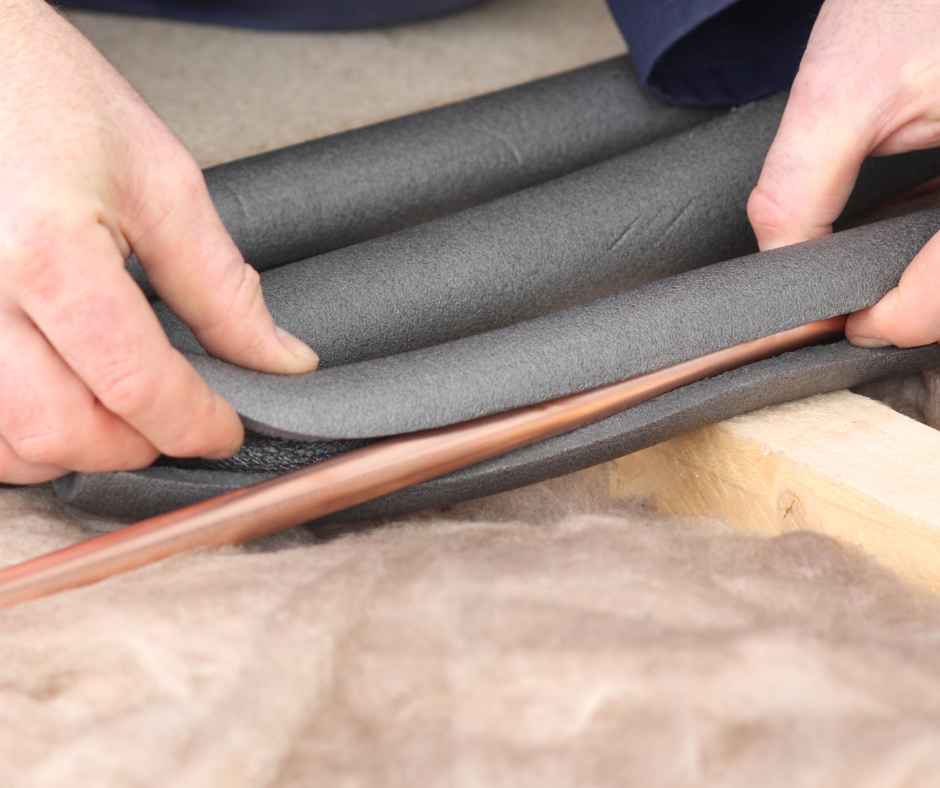
- Insulate exposed plumbing: Pipes in basements, crawl spaces, and garages benefit from foam insulation sleeves.
- Seal gaps and drafts: Cold air entering around windows, doors, or foundation openings increases the chance of frozen pipes.
- Keep indoor temperatures consistent: Even minimal heat helps protect pipes behind walls and under sinks.
Routine habits also help prevent winter plumbing emergencies:
- Let faucets drip during extreme cold: A slow flow reduces pressure and lowers freezing risk.
- Disconnect outdoor hoses: Leaving hoses attached traps water that can freeze and damage the faucet.
- Clear drains regularly: Prevent grease and debris buildup that can worsen in winter.
- Test your sump pump: Ensuring it cycles correctly reduces the chance of basement flooding.
Professional service becomes important when issues seem likely or recurring:
- Annual plumbing inspections: A professional can spot weak points before winter begins.
- Water heater maintenance: Cleaning sediment and testing components ensures steady hot water.
- Sewer line evaluations: Camera inspections help detect blockages or root intrusion early.
Taking proactive steps helps Maryland homeowners avoid major winter plumbing emergencies and reduces the chances of expensive repairs later.
Why Fast Action Matters During Winter Plumbing Emergencies
Winter plumbing emergencies can escalate quickly, especially when freezing temperatures put added pressure on pipes, water heaters, drains, and outdoor fixtures. Recognizing early warning signs and responding quickly helps Maryland homeowners avoid major damage, higher repair costs, and unsafe home conditions. Taking preventive steps and calling a professional at the first sign of trouble can make all the difference.
For reliable help with winter plumbing issues, contact Staton Plumbing, Heating & Cooling today.
Frequently Asked Questions
Can winter plumbing emergencies happen even if temperatures stay above freezing?
Yes. Sudden temperature drops, cold drafts, and poorly insulated areas can cause freezing even when the general outdoor temperature is above freezing.
How often should Maryland homeowners inspect their plumbing in winter?
A quick visual inspection once per week is helpful, especially during severe cold. Look for leaks, frost on pipes, and slow drainage.
Are tankless water heaters less likely to fail in the winter?
Tankless systems handle cold weather better in many cases, but they can still struggle if incoming water is extremely cold or if maintenance is overdue.
What should homeowners do if they suspect a sewer line blockage in winter?
Stop using water in the home and call a professional immediately. Sewer backups can worsen quickly and may cause property damage or contamination.
Can I use space heaters to warm frozen pipes?
Only with extreme caution. Space heaters should never be left unattended or placed too close to combustible materials. A safer option is using a hair dryer or contacting a professional for assistance.
RECENT NEWS
Strange Noises from Your Water Heater in Central Maryland? Hard Water Could Be the Costly Culprit
Is a Heat Pump Right for Your Central Maryland Home? Balancing Efficiency and Cost
Do You Need Trenchless Sewer Repair? A Guide for Central Maryland Homeowners
Why Your Maryland Dryer is Taking Two Cycles to Dry (And the Fire Risk You’re Ignoring)
The Hidden Cost of Maryland Hard Water: Is a Softener Actually Cheaper Than Constant Pipe Repairs?
Spring Indoor Air Quality: Does Duct Cleaning Actually Reduce Maryland Allergies?