0% APR Plus No Payments for 12 Months
on Select New Plumbing & HVAC Systems

Back to Blog
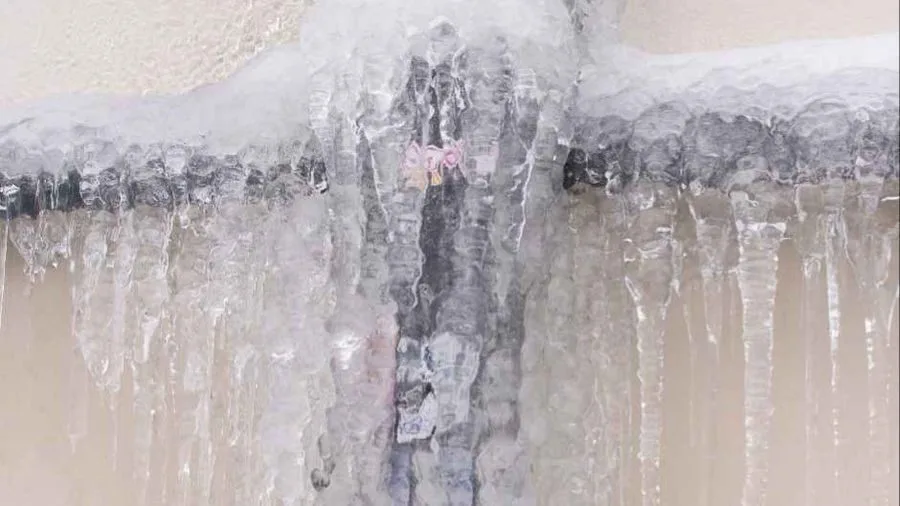
Preventing Winter Disaster: How Annapolis Homes Can Avoid Burst Pipes and Costly Plumbing Repairs
Winter in Annapolis, Maryland, can bring freezing temperatures, icy conditions, and unexpected plumbing emergencies. While homeowners often focus on keeping their heating systems running and preparing for winter storms, protecting household plumbing is just as important. A single frozen water pipe can lead to a rupture, significant water damage, and costly repairs that disrupt daily life.
For homeowners throughout Annapolis and Anne Arundel County, preventing burst pipes starts with understanding which areas of the home are most vulnerable. Exposed water lines, unheated spaces, and poorly insulated plumbing can become especially vulnerable when temperatures stay below freezing.
In this guide, we’ll explain why pipes freeze and burst, identify common warning signs, share practical winter plumbing maintenance tips, and discuss what Annapolis homeowners should do in a plumbing emergency.
Why Do Water Pipes Freeze and Burst During Annapolis Winters?
When outdoor temperatures drop below freezing, water in exposed or inadequately protected pipes may begin to turn into ice. As ice forms, it can block water from moving normally through the plumbing system.
Although water expands as it freezes, pipe ruptures frequently occur because pressure builds between an ice blockage and a closed faucet or other restriction. When that pressure becomes excessive, vulnerable sections of plumbing may crack or burst.
Several conditions can increase the likelihood of frozen pipes, including:
-
Prolonged freezing temperatures: Extended cold weather allows exposed plumbing to lose heat.
-
Inadequate insulation: Unprotected water lines may be more vulnerable to freezing.
-
Cold-air drafts: Openings around foundations or walls can expose pipes to freezing air.
-
Unheated spaces: Garages, crawl spaces, and certain utility areas may experience lower temperatures.
-
Outdoor plumbing: Exterior faucets and hose connections face direct exposure to winter weather.
-
Heating system failures: Losing indoor heat can increase freezing risks throughout the home.
Annapolis benefits from some temperature moderation because it’s near the Chesapeake Bay, but winter cold snaps can still threaten household plumbing. Homes with vulnerable water lines may freeze even when temperatures stay below freezing for only a short period.
Understanding how freezing affects pipes can help homeowners take preventative steps before water damage occurs.
Which Areas of Annapolis Homes Are Most Vulnerable to Frozen Pipes?
Not every water line in a home faces the same freezing risk. Pipes located within heated living spaces are generally better protected than those running through unconditioned areas or near exterior openings.
Annapolis includes historic properties, established neighborhoods, and newer residential developments. Plumbing configurations vary considerably, meaning homeowners should evaluate their individual properties rather than assuming every home has the same vulnerabilities.
Common areas where frozen pipes may develop include:
-
Crawl spaces: Water lines beneath the home may be exposed to cold air entering through foundation openings.
-
Unheated basements: Plumbing near drafts or poorly insulated walls can become vulnerable.
-
Garages: Water lines running through unheated garages may freeze.
-
Exterior walls: Pipes located near poorly insulated wall cavities may lose heat quickly.
-
Outdoor faucets: Hose bibbs and exterior plumbing connections are exposed to winter conditions.
-
Utility rooms: Water lines near vents or openings may experience significant temperature changes.
-
Attics: Plumbing in unconditioned attic spaces may need extra protection.
Even homes with functioning heating systems can still have frozen pipes if certain plumbing areas aren’t adequately insulated. Identifying these vulnerable locations before winter arrives is an important part of protecting your Annapolis home.
What Are the Warning Signs Your Pipes May Be Freezing?
Frozen pipes don’t always produce obvious warning signs before a problem develops. In some cases, homeowners first notice an issue when a faucet suddenly stops producing water or water pressure drops significantly.
Recognizing these changes early may help prevent additional damage, particularly when temperatures remain below freezing.
Potential warning signs of frozen pipes include:
-
Reduced water pressure: Water flows more slowly than usual from a faucet.
-
No running water: One or more fixtures stop producing water after freezing weather.
-
Visible frost: Exposed plumbing develops frost or ice along its surface.
-
Extremely cold pipes: Accessible water lines feel unusually cold.
-
Unusual plumbing noises: Changes in water movement may produce unfamiliar sounds.
-
Unexpected moisture: Water appears around pipes or nearby surfaces.
-
Water stains: New discoloration develops on walls, ceilings, or flooring.
Remember that reduced water pressure doesn’t automatically indicate frozen pipes. Utility interruptions, closed valves, and other plumbing problems can create similar symptoms.
If multiple fixtures lose water at the same time, homeowners should consider whether the issue affects the entire water supply. When freezing is suspected, avoid forcing plumbing fixtures or attempting unsafe thawing methods.
How Can You Prevent Frozen and Burst Pipes Before Winter Arrives?
Preventing burst pipes in Annapolis starts with preparing vulnerable plumbing before freezing temperatures become a concern. While no single precaution guarantees complete protection, combining insulation, air sealing, and proper winter maintenance can significantly reduce the risk of freezing.
Practical ways to protect your home’s plumbing include:
-
Insulate exposed water lines: Add appropriate insulation to pipes in crawl spaces, garages, and other unheated areas.
-
Disconnect garden hoses: Remove hoses from outdoor faucets before freezing temperatures arrive.
-
Protect exterior faucets: Winterize outdoor plumbing connections as designed.
-
Seal cold-air gaps: Address openings around foundations, walls, and plumbing penetrations.
-
Maintain indoor heating: Keep the home adequately heated throughout winter.
-
Inspect accessible plumbing: Look for damaged insulation, exposed pipes, and existing leaks.
-
Locate your main water shutoff valve: Make sure household members know how to stop the water supply.
-
Prepare for winter travel: Maintain appropriate heating and arrange property monitoring during extended absences.
Pipe insulation is particularly useful in areas where plumbing is exposed to colder temperatures. However, insulation slows heat loss rather than generating heat, meaning prolonged freezing conditions can still create problems.
For older Annapolis homes, professional plumbing evaluations may help identify vulnerable water lines that aren’t immediately visible. Addressing insulation gaps and cold-air exposure before winter can help reduce the likelihood of unexpected plumbing emergencies.
What Should You Do During an Annapolis Cold Snap?
Even well-maintained plumbing systems can face increased freezing risks during unusually cold weather. When temperatures are expected to remain below freezing, homeowners should take additional precautions to protect vulnerable water lines.
Maintaining consistent indoor heating is one of the most important steps. Lowering the thermostat too much or shutting off the heating system while traveling during winter can expose plumbing to colder temperatures, especially near exterior walls.
Opening cabinet doors beneath kitchen and bathroom sinks may help warmer indoor air circulate around plumbing located near exterior walls. Homeowners should also keep garage doors closed when water lines run through or near the garage.
Some homeowners allow a small amount of water to drip from vulnerable faucets during freezing weather. This may help reduce freezing risks in certain situations, but it isn’t a universally reliable solution and shouldn’t replace proper insulation or winterization.
If you’re leaving your Annapolis home for an extended period, consider arranging for someone to check the property periodically. An unnoticed heating failure or plumbing leak can cause extensive damage when a home remains unoccupied.
Monitoring local weather forecasts and preparing before freezing temperatures arrive can help homeowners avoid last-minute plumbing concerns.
What Should You Do if a Pipe Freezes or Bursts?
If you suspect a frozen pipe, begin by checking which plumbing fixtures are affected. Reduced water flow at a single faucet may indicate a localized problem, while widespread water loss could involve a larger supply line or utility interruption.
Accessible, undamaged pipes may sometimes be thawed gradually using gentle heat. Allowing warm indoor air to circulate around exposed plumbing or applying warm towels can help in certain situations.
A hair dryer may also be used cautiously on an accessible pipe when the surrounding area is completely dry and electrical use is safe. However, homeowners should never use open flames, propane torches, boiling water, or unattended portable heaters to thaw plumbing.
If a pipe is visibly damaged, leaking, or located inside an inaccessible wall or ceiling, professional assistance is the safer option. Thawing can reveal existing damage as water begins flowing again, so homeowners should monitor affected plumbing carefully.
If a pipe bursts, take these immediate steps:
-
Shut off the main water supply: Stop additional water from entering the damaged plumbing when it’s safe to do so.
-
Avoid electrical hazards: Stay away from standing water near outlets, appliances, or electrical equipment.
-
Keep people away from affected areas: Prevent unnecessary exposure to flooding or damaged materials.
-
Contact a qualified plumber: Arrange professional evaluation and burst pipe repair.
-
Address water damage safely: Begin appropriate cleanup or mitigation once hazards have been evaluated.
A burst pipe can release substantial amounts of water into walls, ceilings, floors, or other parts of the home. Acting quickly can help limit additional damage and reduce the disruption caused by emergency plumbing repairs.
Can Professional Plumbing Maintenance Help Prevent Winter Emergencies?
Professional plumbing maintenance can help identify potential problems before freezing temperatures create an emergency. While homeowners can inspect accessible pipes and take basic preventive measures, certain vulnerabilities may be hard to spot without professional experience.
A winter plumbing evaluation may include checking exposed water lines, inspecting pipe insulation, examining outdoor faucet connections, and identifying existing leaks. Plumbers can also evaluate recurring freezing problems and recommend appropriate improvements.
For Annapolis homeowners with older properties, previous renovations or plumbing modifications may have left certain water lines more exposed to cold temperatures. A professional inspection can help determine whether insulation improvements, pipe repairs, or other preventative measures are appropriate.
Regular maintenance cannot eliminate every possibility of frozen pipes, especially during severe winter weather. However, addressing known vulnerabilities before temperatures drop can help reduce avoidable plumbing problems and unexpected repair expenses.
Protect Your Annapolis Home With Staton Plumbing, Heating & Cooling
Frozen and burst pipes can create serious problems for Annapolis homeowners, but preparation can help reduce the risk of costly winter plumbing damage. Insulating vulnerable water lines, protecting outdoor faucets, maintaining indoor heating, and knowing how to shut off your water supply are key steps to protecting your plumbing.
At Staton Plumbing, Heating & Cooling, we understand the challenges that Maryland winters can create for homeowners throughout Annapolis and Anne Arundel County. Whether you’re concerned about exposed plumbing, recurring frozen pipes, or an unexpected water leak, identifying potential problems early can help protect your home.
If you need help preparing your plumbing for freezing temperatures or addressing winter pipe damage, contact Staton Plumbing, Heating & Cooling today. Our team can evaluate your plumbing concerns and recommend solutions to keep your Annapolis home protected throughout the winter season.
RECENT NEWS
Is Your Well Pump Failing on the Eastern Shore? Signs You Need Urgent Repair
Strange Noises from Your Water Heater in Central Maryland? Hard Water Could Be the Costly Culprit
Is a Heat Pump Right for Your Central Maryland Home? Balancing Efficiency and Cost
Do You Need Trenchless Sewer Repair? A Guide for Central Maryland Homeowners
Why Your Maryland Dryer is Taking Two Cycles to Dry (And the Fire Risk You’re Ignoring)
The Hidden Cost of Maryland Hard Water: Is a Softener Actually Cheaper Than Constant Pipe Repairs?