0% APR Plus No Payments for 12 Months
on Select New Plumbing & HVAC Systems


Back to Blog
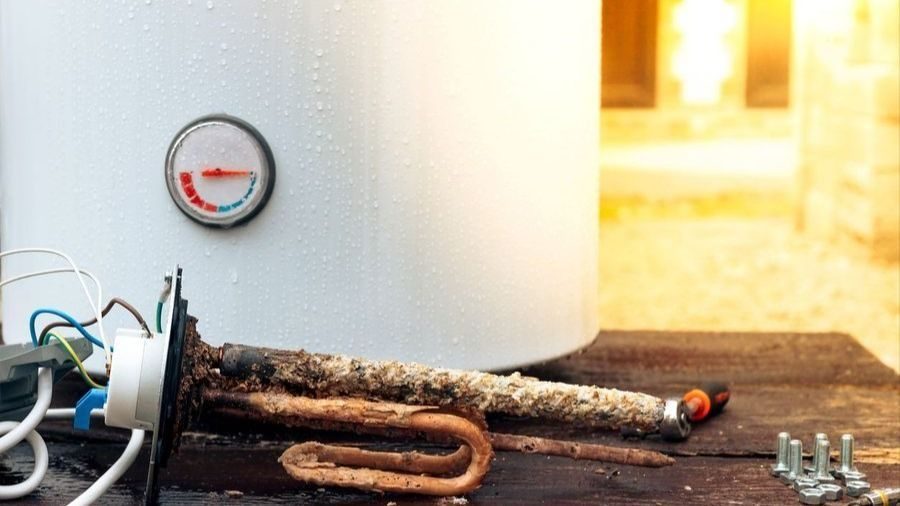
Strange Noises from Your Water Heater in Central Maryland? Hard Water Could Be the Costly Culprit
Your water heater starts popping, rumbling, or crackling, and suddenly every shower comes with a soundtrack you did not ask for. Strange noises from a water heater can be unsettling, especially when you are not sure whether the problem is minor buildup or a sign that the system is starting to fail.
Hard water and mineral sediment can contribute to noisy operation, but the sound alone does not tell you exactly what is wrong. Other problems involving heating components, valves, plumbing expansion, or aging equipment can create similar symptoms.
In this guide, we’ll explain how hard water can affect your water heater, what different noises may mean, when flushing can help, and when repair or replacement deserves a closer look. The goal is to help Central Maryland homeowners understand when a noisy tank is simply asking for maintenance and when it may be warning of a more expensive problem.
Why Does Hard Water Make a Water Heater Noisy?
Hard water contains dissolved minerals that can accumulate inside a traditional storage water heater over time. As water is heated, some of those minerals can settle toward the bottom of the tank and form sediment or scale.
That buildup can interfere with normal heating and create conditions that produce popping, rumbling, or crackling sounds. The thicker the sediment layer, the more noticeable the noise may be during heating cycles.
Mineral buildup can also contribute to:
-
Reduced heat transfer
-
Longer heating cycles
-
Lower usable hot water capacity
-
Additional wear on some components
-
Declining system performance
Hard water does not automatically mean your water heater is about to fail. It does mean you should consider mineral buildup when an older tank becomes noticeably noisy.
What Do Popping and Rumbling Sounds Usually Mean?
Popping and rumbling are commonly associated with sediment collecting at the bottom of a water heater tank. Water can become trapped beneath or within that buildup and create noise as it heats and moves through the sediment.
The result may sound like:
-
Popping
-
Rumbling
-
Crackling
-
Low knocking
-
Boiling-like sounds
These noises can become more noticeable as sediment accumulates, but the volume of the sound does not perfectly measure how much damage has occurred. A loud tank may still be serviceable, while a quieter older tank may have other problems that deserve more attention.
That is why diagnosis matters more than simply listening for one specific sound. A plumber can evaluate the tank condition, maintenance history, and overall performance before recommending the next step.
What Other Water Heater Noises Should Homeowners Pay Attention To?
Not every strange sound points to hard water buildup. Different noises can come from different parts of the water heater or nearby plumbing.
You may hear:
-
Hissing: This may involve moisture contacting hot surfaces, heating element activity, or other equipment conditions.
-
Banging: Plumbing expansion, water hammer, or movement in nearby pipes can sometimes create banging sounds.
-
Ticking: Heating and cooling can cause metal components or piping to expand and contract.
-
Crackling: Sediment or scale buildup may contribute to crackling during heating.
-
Whistling: Valves, pressure conditions, or restricted flow may sometimes create higher-pitched sounds.
A single noise is not enough to diagnose the system. The water heater’s age, whether performance has changed, whether leaks are present, and whether the sound is getting worse all provide important context.
Can Hard Water Damage a Water Heater Over Time?
Hard water can contribute to mineral scale and sediment buildup inside a water heater, which may affect efficiency and performance over time. The exact impact depends on water conditions, maintenance, equipment type, and how long buildup has been allowed to accumulate.
Mineral deposits can interfere with heat transfer and make the system work harder to heat the same amount of water. They can also reduce available tank volume as sediment collects along the bottom.
Over time, homeowners may notice:
-
Longer recovery times
-
More frequent heating cycles
-
Reduced hot water availability
-
Increasing noise
-
Changes in efficiency
-
More maintenance needs
Hard water alone does not guarantee early equipment failure. It can, however, create conditions that make maintenance and monitoring more important.
Can Sediment Make You Run Out of Hot Water Faster?
Yes, sediment can reduce the amount of usable space inside a traditional tank water heater. As buildup accumulates, the tank may not hold or heat as much usable water as it once did.
That can leave homeowners wondering why showers do not stay hot as long or why the system takes longer to recover. The issue can feel especially noticeable when household demand has not changed but hot water availability has declined.
Sediment is not the only possible cause of reduced hot water. Other possibilities include:
-
Heating element problems
-
Thermostat issues
-
Burner problems
-
Dip tube issues
-
Increased household demand
-
An undersized water heater
-
General equipment deterioration
A professional diagnosis can help separate sediment-related performance loss from other repair needs.
Can Flushing a Water Heater Remove Sediment?
Flushing can help remove loose sediment from some traditional tank water heaters. The effectiveness depends on how much buildup is present, how old the tank is, and how regularly the system has been maintained.
A tank flushed periodically may respond differently than one that has accumulated years of hardened sediment. In some older systems, heavy buildup may not come out easily, and aggressive flushing may not restore normal operation.
Whether flushing is appropriate depends on:
-
Water heater age
-
Tank condition
-
Maintenance history
-
Amount of sediment
-
Noise severity
-
Signs of leakage or corrosion
-
Manufacturer recommendations
Homeowners should be careful with DIY flushing, especially on older equipment. Hot water, pressure, valves, and aging tank components can all create risks if you handle the system improperly.
When Is Flushing Not Enough?
Flushing is a maintenance step, not a universal repair.
If the tank has significant corrosion, active leakage, severe sediment buildup, or repeated performance problems, flushing may not solve the underlying issue. The same is true when noises come from components or conditions unrelated to mineral buildup.
Flushing may not be enough when:
-
The tank itself is leaking
-
Corrosion is extensive
-
Noise returns quickly after maintenance
-
Hot water performance continues to decline
-
The water heater requires frequent repairs
-
Major components are deteriorating
-
The system is already approaching replacement for other reasons
At that point, repair or replacement may be more practical than continuing to focus on sediment alone.
Does a Noisy Water Heater Need to Be Replaced?
Not necessarily. A noisy water heater can sometimes continue operating safely and reliably after appropriate maintenance or repair.
The decision depends on the system’s overall condition, not just the sound.
Replacement becomes more worth considering when noise appears alongside other issues such as:
-
Tank leakage
-
Significant corrosion
-
Repeated repairs
-
Declining hot water capacity
-
Poor heating performance
-
An aging system with multiple problems
-
Major component failure
An older water heater that makes some noise but remains in good condition may not need immediate replacement. A noisy, leaking, corroded tank that struggles to provide hot water presents a much stronger case for replacement.
What Are the Warning Signs of a Bigger Water Heater Problem?
Strange noises deserve attention, but they become more concerning when combined with other signs of deterioration.
Watch for:
-
Water around the base of the tank
-
Visible rust or corrosion
-
Rust-colored hot water
-
Less available hot water
-
Longer recovery times
-
Repeated shutdowns
-
Worsening noises
-
Moisture around fittings or components
-
Frequent repair needs
Never ignore a puddle around the water heater. The source may be a valve, connection, nearby pipe, or the tank itself, and the difference matters when deciding whether repair is possible.
If the tank itself is leaking, replacement is usually more likely than repair. A plumber can confirm the source and help you understand the options.
How Can Central Maryland Homeowners Reduce Mineral Buildup?
Preventive maintenance can help reduce the effects of sediment and give you a better picture of the water heater’s condition over time. The right maintenance approach depends on equipment type, water conditions, and manufacturer recommendations.
Useful steps can include:
-
Periodic water heater inspection
-
Flushing when appropriate
-
Monitoring for leaks and corrosion
-
Checking the anode rod where applicable
-
Addressing unusual noises early
-
Evaluating water quality if mineral buildup is significant
-
Following manufacturer maintenance guidance
Water treatment may also be worth discussing if hard water is creating problems throughout the home. That does not mean every Central Maryland homeowner needs a water softener, but testing and evaluating water conditions can help determine whether treatment makes sense.
When Should You Call a Plumber About Water Heater Noise?
Call for professional service when the noise is persistent, worsening, or accompanied by other signs of trouble. Waiting until the system stops producing hot water can turn a manageable problem into a more disruptive repair or replacement.
Professional evaluation is especially important when:
-
The tank is leaking
-
Corrosion is visible
-
Hot water capacity is declining
-
The system is older
-
Noise has recently become louder
-
Maintenance has been neglected
-
Repairs are becoming more frequent
-
You are unsure whether flushing is safe or appropriate
A plumber can determine whether the noise is caused by sediment, another component, or a larger equipment problem. That diagnosis helps prevent unnecessary replacement while also avoiding repeated repairs on a water heater already near the end of its useful life.
Quiet Your Water Heater With Staton Plumbing, Heating & Cooling
Popping, rumbling, and crackling from your water heater may signal mineral buildup, but hard water is only one possible cause. The smartest next step is to identify what is happening inside the system and evaluate the tank’s condition before deciding on maintenance, repair, or replacement.
Staton Plumbing, Heating & Cooling can inspect your water heater, diagnose strange noises, and help determine whether sediment removal, repair, or a new system makes the most sense for your Central Maryland home. If your water heater has become louder, less reliable, or harder to ignore, contact us today to schedule professional water heater service.
RECENT NEWS
Is Your Well Pump Failing on the Eastern Shore? Signs You Need Urgent Repair
Is a Heat Pump Right for Your Central Maryland Home? Balancing Efficiency and Cost
Do You Need Trenchless Sewer Repair? A Guide for Central Maryland Homeowners
Why Your Maryland Dryer is Taking Two Cycles to Dry (And the Fire Risk You’re Ignoring)
The Hidden Cost of Maryland Hard Water: Is a Softener Actually Cheaper Than Constant Pipe Repairs?
Spring Indoor Air Quality: Does Duct Cleaning Actually Reduce Maryland Allergies?