0% APR Plus No Payments for 12 Months
on Select New Plumbing & HVAC Systems


Back to Blog
Is Your Well Pump Failing on the Eastern Shore? Signs You Need Urgent Repair
If your home relies on a private well, a dependable well pump is essential for everything from morning showers to washing dishes and doing laundry. When that pump starts having problems, you may notice changes in water pressure, unusual noises, or interruptions to your household water supply.
For homeowners on Maryland’s Eastern Shore, recognizing the early signs of well pump failure can help prevent unexpected disruptions. Some problems develop gradually, while others can leave your home without running water and require immediate professional attention.
In this guide, we’ll explore five warning signs your well pump may be failing, explain what could cause them, and discuss when Eastern Shore homeowners should schedule urgent well pump repair.
Why Well Pump Problems Require Prompt Attention
Unlike homes connected to municipal water systems, properties with private wells depend on their own equipment to deliver water throughout the house. When the well pump or another system component stops working, everyday activities can become difficult or impossible.
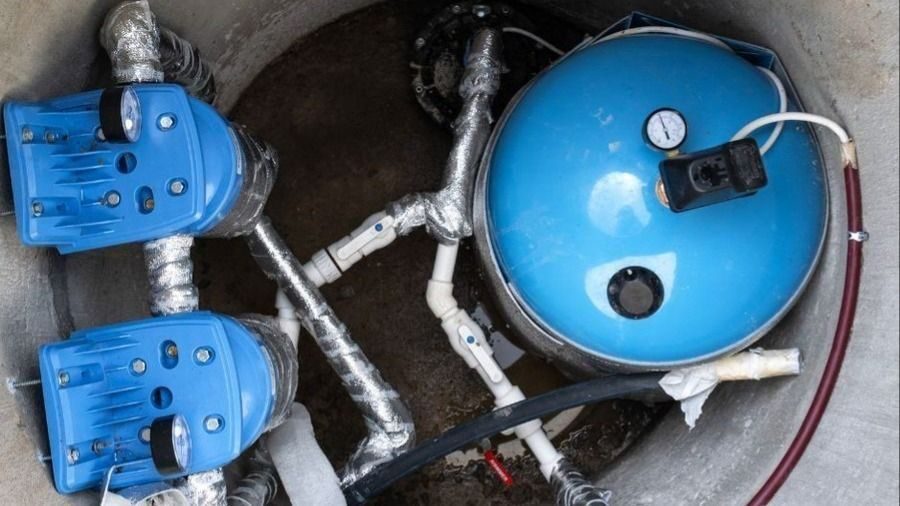
A typical private well system includes a pump, pressure tank, pressure switch, and connecting plumbing. These components work together to maintain water pressure and deliver water when household fixtures are used.
When one component malfunctions, it can affect the entire system’s performance. For example, a failing pressure tank may cause the pump to cycle excessively, while a plumbing leak can prevent the system from maintaining adequate pressure.
Ignoring these symptoms can cause additional equipment wear or eventual water loss. However, not every well water problem means you need to replace the pump. Professional diagnosis can identify the actual source of the problem and determine which repairs are necessary.
Warning Sign #1: Sudden Drops in Water Pressure
One of the clearest signs of a potential well pump problem is a sudden drop in household water pressure. You might notice your shower feels weaker than usual or that faucets struggle to maintain a steady flow.
Pressure problems may become especially apparent when multiple fixtures are operating simultaneously. For example, running the washing machine while someone showers can noticeably reduce water pressure.
Several issues can contribute to these symptoms:
-
Declining pump performance: A worn or malfunctioning pump may struggle to maintain adequate pressure.
-
Pressure tank problems: A damaged or improperly functioning tank can cause inconsistent water delivery.
-
Faulty pressure switch: A faulty switch may prevent the pump from operating at the correct pressure settings.
-
Clogged filters: Sediment buildup in filtration equipment can restrict water flow.
-
Plumbing leaks: Water escaping from the system may reduce available pressure.
-
Low well yield: Insufficient water availability can sometimes affect pump performance.
If low pressure affects every fixture in your home, the issue may involve the well system rather than an individual faucet.
A professional inspection can determine whether the pump, pressure controls, plumbing, or another component is responsible.
Warning Sign #2: Your Well Pump Runs Constantly or Cycles Too Frequently
A properly functioning well pump should operate according to household water demand and the system’s pressure settings. When the pump runs continuously or repeatedly turns on and off, something may be interfering with normal operation.
A pump that runs constantly may be struggling to build sufficient pressure. Possible causes include plumbing leaks, worn pump components, pressure control problems, or insufficient water entering the well.
Frequent starting and stopping, commonly called short cycling, can indicate a different set of problems. A pressure tank that has lost its proper air charge or developed internal damage may cause the pump to cycle more often than intended.
Short cycling can place additional stress on pump motors and electrical components. Over time, excessive cycling may contribute to premature equipment wear.
Homeowners should monitor how often the pump operates, especially when little or no water is being used. A pump that keeps running for no apparent reason deserves prompt professional evaluation.
Because several components can cause abnormal cycling, replacing the pump without testing the system may not resolve the underlying problem.
Warning Sign #3: Strange Noises or Unusual Pump Operation
Changes in the sounds coming from your well system can indicate mechanical or electrical problems. Although some operating noises are normal, new or persistent sounds shouldn’t be ignored.
Depending on the system’s design, homeowners may hear clicking near the pressure controls, humming from accessible equipment, or unusual vibrations around the pressure tank and plumbing.
Potential warning signs include:
-
Repeated clicking: Pressure controls may activate more often than expected.
-
Persistent humming: Electrical or motor-related problems may prevent equipment from operating correctly.
-
Grinding or rattling: Unusual mechanical sounds can indicate worn or damaged components.
-
Excessive vibration: Loose connections or equipment problems may cause noticeable movement.
-
Unexpected silence: A pump that normally operates but no longer activates may have an electrical or mechanical problem.
Many Eastern Shore homes use submersible well pumps installed below the water level, so you may not hear the pump itself inside the house. Instead, homeowners may notice unusual behavior from accessible pressure tanks, switches, or other system components.
Never open electrical control housings or attempt to inspect energized well pump wiring. A qualified professional can safely evaluate the equipment and identify the source of unusual operation.
Warning Sign #4: Air Sputtering or Changes in Water Quality
If your faucets begin sputtering or releasing bursts of air, your well system may be experiencing a problem. Air can enter household plumbing for several reasons, including low water levels, plumbing leaks, or issues affecting water delivery.
Changes in water appearance may also deserve attention. Cloudy water, unexpected sediment, or discoloration can sometimes indicate disturbances within the well or plumbing system.
However, these symptoms don’t automatically mean the well pump is failing. For example, sediment may originate from the well itself, while air in the plumbing could result from conditions unrelated to the pump motor. Pressure tank or plumbing problems can also cause unusual water delivery.
Homeowners should watch for sudden changes, especially when they occur alongside declining pressure or intermittent water availability. If your well water becomes unexpectedly discolored, develops an unusual odor, or otherwise raises safety concerns, avoid assuming it’s safe to drink. A professional evaluation and appropriate water testing can help determine whether the water remains safe for household use.
Warning Sign #5: You Suddenly Have No Water
A complete loss of household water is one of the clearest reasons to seek urgent help with your well system. When no water comes from your faucets, the problem can interfere with drinking, cooking, bathing, sanitation, and other essential activities.
Although a failed pump is one possible cause, several other problems can interrupt water delivery.
These include:
-
Electrical supply interruptions affecting the well pump.
-
Faulty pressure switches or electrical controls.
-
A failed pump motor or damaged pump components.
-
Significant plumbing leaks.
-
Low water levels or inadequate well yield.
-
Problems involving the pressure tank or related equipment.
If your home suddenly loses water, first determine whether the problem affects every fixture. Also check whether other electrical equipment in your home is operating normally.
Avoid repeatedly resetting a breaker that keeps tripping, as this may indicate an electrical fault that requires professional attention.
If the problem affects your entire household water supply, contact a qualified well system professional promptly. Proper troubleshooting can determine whether the issue requires pump repair, electrical service, or another solution.
What Should Eastern Shore Homeowners Do When Their Well Pump Starts Failing?
When your well system shows warning signs, taking appropriate precautions can help prevent further damage. The most important step is recognizing that the problem may involve multiple components, not just the pump.
Start by noting when symptoms occur and whether they affect the entire home. Information about pressure fluctuations, unusual noises, and changes in water appearance can help a professional identify the problem.
Homeowners can also take several precautions:
-
Reduce unnecessary water use: Limit household demand if the system is struggling to maintain pressure.
-
Check for visible leaks: Look around accessible plumbing connections without disassembling equipment.
-
Observe pump cycling: Note whether the system runs continuously or activates unusually frequently.
-
Avoid electrical repairs: Never open pressure switch housings or handle exposed wiring.
-
Document changes: Record when problems began and whether symptoms are becoming worse.
-
Schedule professional service: Seek prompt assistance when water delivery becomes unreliable.
If you notice burning odors, damaged electrical components, or repeated breaker trips, avoid operating the affected equipment and contact a qualified professional.
A complete loss of water or a pump running continuously without building pressure should also receive prompt attention.
When Does a Well Pump Need Repair Instead of Replacement?
Not every well system problem requires installing a new pump. In many cases, the underlying issue involves a component you can repair or replace independently.
For example, a malfunctioning pressure switch may prevent the pump from activating correctly. Similarly, a damaged pressure tank can cause short cycling even when the pump itself remains functional.
Other repairable problems may involve plumbing connections, electrical controls, or system settings. Professional testing can help homeowners identify these issues and avoid unnecessary pump replacement.
However, replacement may be appropriate when the pump motor has failed, internal components are severely worn, or repeated breakdowns make continued repairs impractical.
The pump’s age, maintenance history, operating conditions, and overall performance should all factor into the decision. A professional evaluation can determine whether repairing the existing system will restore dependable water delivery or whether replacement offers better long-term value.
Get Professional Well Pump Repair From Staton Plumbing, Heating & Cooling
Low water pressure, frequent cycling, unusual noises, and sudden water loss can all indicate problems with your private well system. Recognizing these symptoms early can help prevent further equipment damage and reduce the risk of losing your household water supply.
At Staton Plumbing, Heating & Cooling, we understand how important dependable water service is for homeowners throughout Maryland’s Eastern Shore. Our team can identify well system problems, evaluate potential causes, and recommend appropriate repairs.
Whether your well pump struggles to maintain pressure or your home suddenly loses running water, timely professional attention can restore reliable operation. Contact Staton Plumbing, Heating & Cooling today to discuss your well pump concerns and schedule professional service.
RECENT NEWS
Strange Noises from Your Water Heater in Central Maryland? Hard Water Could Be the Costly Culprit
Is a Heat Pump Right for Your Central Maryland Home? Balancing Efficiency and Cost
Do You Need Trenchless Sewer Repair? A Guide for Central Maryland Homeowners
Why Your Maryland Dryer is Taking Two Cycles to Dry (And the Fire Risk You’re Ignoring)
The Hidden Cost of Maryland Hard Water: Is a Softener Actually Cheaper Than Constant Pipe Repairs?
Spring Indoor Air Quality: Does Duct Cleaning Actually Reduce Maryland Allergies?