0% APR Plus No Payments for 12 Months
on Select New Plumbing & HVAC Systems

Back to Blog
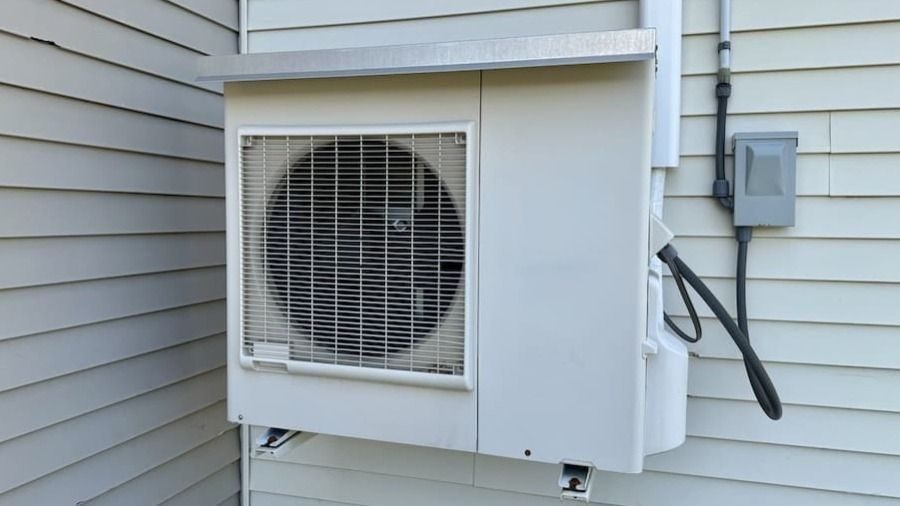
Is a Heat Pump Right for Your Central Maryland Home? Balancing Efficiency and Cost
A heat pump can be a strong choice for many Central Maryland homes because it provides both heating and cooling in one system. The real question is not whether heat pumps work in Maryland, but whether the efficiency gains, installation cost, operating expenses, and comfort benefits make sense for your specific home.
In this guide, you will learn how to evaluate heat pump efficiency, cold-weather performance, upfront cost, backup heat, and long-term value. The right decision depends heavily on what heating system you already have, the condition of your ductwork and insulation, and how much you expect to spend operating the system over time.
Is a Heat Pump a Good Choice for Central Maryland?
For many homes, yes. A properly sized heat pump can provide efficient heating in winter and cooling in summer while reducing the need for separate heating and cooling systems.
That does not mean every homeowner will see the same savings. The financial benefit depends on several factors:
-
Your current heating fuel
-
Age of the existing equipment
-
Electricity rates
-
Gas, oil, or propane costs
-
Home insulation
-
Duct condition
-
Heat pump efficiency
-
Installation cost
-
Backup heat strategy
-
How long you plan to stay in the home
A homeowner replacing electric resistance heat may see a very different operating-cost change than someone replacing an efficient natural gas furnace. The best comparison looks at the whole home and the full year, not just one utility bill.
How Does a Heat Pump Heat and Cool Your Home?
A heat pump does not create heat in the same way a furnace does. Instead, it moves heat from one place to another.
During summer, it works much like a traditional central air conditioner by removing heat from inside the home and releasing it outdoors. During winter, the system reverses direction and pulls heat from the outdoor air, then transfers it indoors.
Even when outdoor temperatures feel cold, there is still heat energy in the air that a properly designed heat pump can use.
This ability to move heat is one reason heat pumps can be highly efficient. Instead of relying only on electric resistance to generate heat, the system transfers available heat into the home.
The result is one piece of HVAC equipment that can handle both seasons.
Why Can a Heat Pump Be More Energy Efficient?
Heat pumps can be efficient because they move heat rather than producing all of it directly from electricity or burning fuel for every heating cycle.
That efficiency advantage can reduce energy consumption, but lower energy use does not automatically mean every homeowner will save the same amount of money.
Your actual operating cost depends on what the heat pump is replacing.
For example, a homeowner with electric resistance heating may have a strong opportunity to reduce heating energy use. A homeowner using oil may also have a compelling reason to compare fuel expenses with heat pump operation.
Someone with a newer, high-efficiency gas furnace may have a more complicated calculation because natural gas prices, electricity prices, equipment efficiency, and installation costs all matter.
The most useful question is not simply, “Is a heat pump efficient?” It is, “Will this heat pump cost less to operate than the system I use now?”
Can a Heat Pump Handle a Central Maryland Winter?
Modern heat pumps can continue heating homes during cold weather, including temperatures below freezing. Cold-climate models are designed specifically to maintain better performance as outdoor temperatures fall.
That said, heat pump performance changes with outdoor temperature. As it gets colder, the system may need to work harder and may provide less heating capacity than it does during milder weather.
This is why equipment selection and sizing matter.
A Central Maryland homeowner may encounter several different system designs:
-
Standard air-source heat pumps
-
Cold-climate heat pumps
-
Heat pumps with electric auxiliary heat
-
Dual-fuel systems that combine a heat pump with a furnace
A properly designed system should account for the home’s heating load during colder periods. It should not be selected based only on the cooling requirements of summer.
Older heat pump technology also shaped some homeowners’ expectations. Newer systems can perform differently from the equipment people may remember from years ago, particularly when properly sized and installed.
Does Your Current Heating System Affect Whether a Heat Pump Makes Sense?
Yes. Your existing heating system is one of the biggest factors in the financial decision.
If you currently use electric resistance heat, switching to a heat pump may offer a substantial efficiency improvement because the heat pump moves heat instead of creating all of it through resistance elements.
If you use oil or propane, a heat pump may reduce reliance on delivered fuel and shift more of your heating costs to electricity. Whether that lowers total annual expenses depends on local energy prices and how efficiently the new system operates.
If you have natural gas, the comparison is more complicated. A high-efficiency furnace may already provide relatively economical heating, so the value of switching depends on equipment age, utility rates, installation cost, comfort goals, and whether the air conditioner also needs replacement.
Homeowners replacing an older heat pump may also benefit from improvements in modern equipment efficiency, controls, and cold-weather capability.
The best time to compare options is often when major HVAC replacement is already approaching.
What Affects the Cost of Installing a Heat Pump?
Heat pump installation costs vary because every home has a different system layout and different supporting requirements.
Important cost factors include:
-
Equipment capacity
-
Efficiency level
-
Single-stage or variable-speed operation
-
Air-handler replacement
-
Ductwork condition
-
Electrical upgrades
-
Thermostat and controls
-
Backup heat configuration
-
Installation accessibility
-
Existing HVAC removal
-
Permitting
-
Required comfort improvements
A straightforward replacement using existing ductwork may be very different from a project that also requires electrical work, duct modifications, or air-sealing improvements.
Homeowners should compare complete installation proposals rather than just equipment prices.
The proposal should make clear what equipment is included, what modifications are required, what warranty coverage applies, and whether additional work is recommended to help the system perform properly.
Will a Heat Pump Actually Lower Your Energy Bills?
It can, but there is no universal answer.
A heat pump may reduce energy use while changing the way your utility expenses are distributed. If you currently heat with oil or gas, your electric bill may increase even while your total annual heating cost decreases.
That is why homeowners should compare total energy spending rather than focusing on only one bill.
Factors that affect operating costs include:
-
Electricity rates
-
Fuel prices
-
Existing system efficiency
-
Heat pump efficiency
-
Insulation
-
Air leakage
-
Thermostat settings
-
Outdoor temperatures
-
Backup heat use
-
Household comfort preferences
A poorly insulated home may continue to lose heat rapidly no matter how efficient the new equipment is.
Likewise, leaking ductwork can waste conditioned air and reduce the benefit of installing better equipment.
The heat pump is only one part of the home’s comfort system.
Do You Need Backup Heat With a Heat Pump?
Some heat pump systems use backup or auxiliary heat during periods when additional heating capacity is needed.
Electric auxiliary heat is common in many systems. It can provide extra warmth during very cold weather, during certain defrost cycles, or when the thermostat setting is raised quickly.
Other homes may use a dual-fuel setup that combines a heat pump with a furnace. The heat pump handles heating under certain conditions, while the furnace takes over when the system determines that it is more appropriate.
Backup heat does not automatically mean the heat pump is failing. It can be a normal part of the design.
However, excessive reliance on electric resistance backup can increase energy use, so proper equipment sizing, thermostat setup, and system controls are important.
If auxiliary heat seems to run constantly, the system should be evaluated to determine whether there is a performance, control, or sizing problem.
What Makes a Home a Good Candidate for a Heat Pump?
A Central Maryland home may be a strong candidate for a heat pump when the heating or cooling system is approaching replacement and the homeowner wants to improve efficiency or consolidate heating and cooling.
Other favorable conditions include:
-
Existing ductwork is usable
-
The home has reasonable insulation
-
Air leakage is controlled
-
Electrical capacity can support the system
-
The current equipment is inefficient or unreliable
-
The homeowner wants improved year-round comfort
-
The heat pump can be properly sized for the heating load
A heat pump should not be expected to solve every building problem.
If the home has major duct leakage, poor insulation, or uncontrolled air infiltration, addressing those issues may improve comfort and reduce the load on the new system.
This can sometimes be more valuable than simply choosing a larger heat pump.
When Does Replacing Your Current HVAC System With a Heat Pump Make Sense?
The strongest time to consider switching is often when major HVAC equipment is already nearing the end of its useful service life.
Instead of automatically replacing a furnace and air conditioner with the same type of equipment, homeowners can compare the cost and performance of a heat pump option.
Consider:
-
Age of the current HVAC system
-
Frequency of repairs
-
Current heating fuel
-
Cooling performance
-
Annual energy costs
-
Condition of the ductwork
-
Heat pump installation cost
-
Warranty coverage
-
Expected length of ownership
-
Comfort priorities
Replacing functional equipment early solely to gain efficiency may not always provide the best financial return.
On the other hand, if the air conditioner and heating system are both aging, a planned heat pump installation may allow you to address heating and cooling together rather than making separate emergency decisions later.
Homeowners should also check whether current federal, state, utility, or local incentives are available when comparing project costs. Incentive programs can change, so eligibility should be confirmed at the time of installation.
Balance Upfront Cost With Long-Term Comfort and Efficiency
A heat pump can be a practical heating and cooling solution for many Central Maryland homes, but the best choice depends on more than efficiency ratings alone. Existing fuel type, utility costs, home insulation, duct condition, equipment sizing, installation expenses, and backup heat all influence the final value.
The most useful comparison looks at what you are replacing and what you expect from the new system. A properly selected heat pump may reduce energy use and provide efficient year-round comfort, while a poorly planned installation may fall short of those expectations.
Staton Plumbing, Heating & Cooling helps Central Maryland homeowners evaluate heat pump options, existing HVAC equipment, comfort concerns, and installation requirements before making a replacement decision. If you are considering a heat pump for your home, contact us today to discuss whether it makes sense for your comfort goals and budget.
RECENT NEWS
Strange Noises from Your Water Heater in Central Maryland? Hard Water Could Be the Costly Culprit
Do You Need Trenchless Sewer Repair? A Guide for Central Maryland Homeowners
Why Your Maryland Dryer is Taking Two Cycles to Dry (And the Fire Risk You’re Ignoring)
The Hidden Cost of Maryland Hard Water: Is a Softener Actually Cheaper Than Constant Pipe Repairs?
Spring Indoor Air Quality: Does Duct Cleaning Actually Reduce Maryland Allergies?
Hard Water in Maryland: What You Need To Know