0% APR Plus No Payments for 12 Months
on Select New Plumbing & HVAC Systems

Back to Blog
Do You Need Trenchless Sewer Repair? A Guide for Central Maryland Homeowners
A damaged sewer line can cause recurring backups, slow drains, sewage odors, and costly property damage. For many Central Maryland homeowners, the concern is not only fixing the pipe. It is also avoiding extensive excavation through lawns, patios, driveways, landscaping, or other finished areas.
Trenchless sewer repair offers a less invasive way to repair or replace certain underground sewer lines using only a few access points. It can reduce disruption, shorten the restoration process, and provide a durable solution when the existing pipe and site conditions are suitable.
In this guide, we will explain how trenchless sewer repair works, when it may be recommended, and what Central Maryland homeowners should know before approving sewer line service.
What Is Trenchless Sewer Repair?
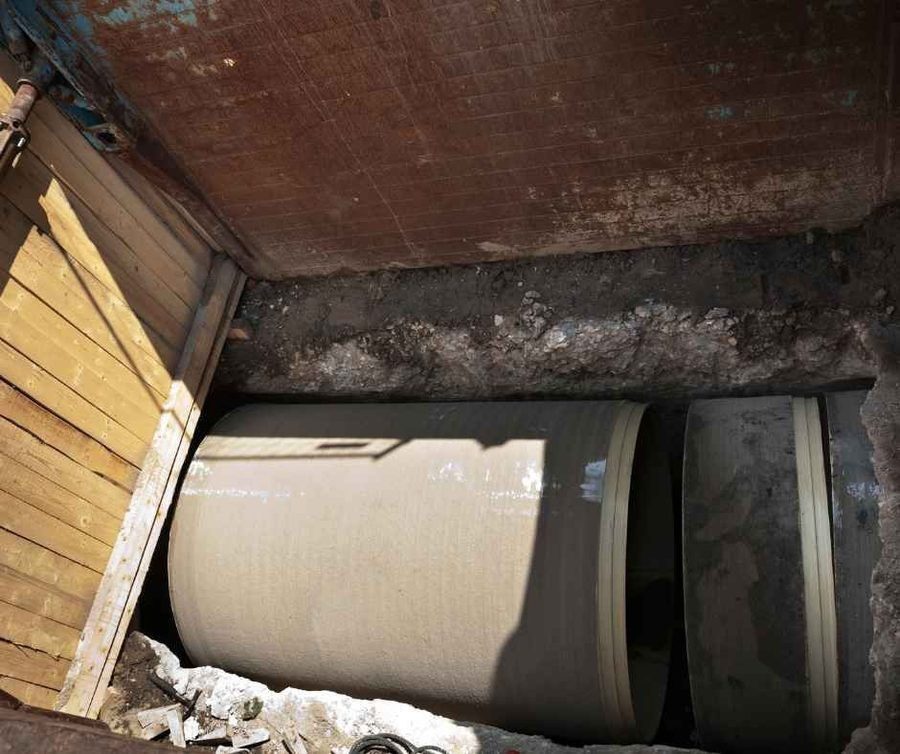
Trenchless sewer repair is a method of repairing or replacing an underground sewer pipe without digging a long, open trench across the property.
Traditional sewer repair may require excavation along much of the damaged pipe. Trenchless methods generally use one or two access points to reach the existing line. Specialized equipment is then used to create a new pipe inside the old one or replace the damaged pipe along the same path.
Common trenchless methods include:
-
Pipe lining
-
Pipe bursting
-
Limited-access pipe replacement
-
Sewer camera inspection and cleaning before repair
Trenchless repair is not appropriate for every sewer problem. The pipe must first be inspected to determine its condition, location, depth, alignment, and level of damage.
How Trenchless Sewer Repair Works
The exact process depends on the repair method, but most trenchless projects follow several general steps.
A plumber may:
-
Inspect the sewer line with a camera
-
Locate cracks, roots, corrosion, or collapsed areas
-
Clean the pipe to remove buildup and obstructions
-
Create or use existing access points
-
Install a liner or replace the damaged pipe
-
Allow the new material to cure when required
-
Test the sewer line for proper flow
-
Reinspect the finished work
The camera inspection is one of the most important parts of the process. It allows the plumber to see whether trenchless repair is realistic before recommending a specific method.
Common Trenchless Sewer Repair Methods
Two of the most common methods are pipe lining and pipe bursting.
Pipe lining creates a new pipe inside the existing sewer line. A resin-coated liner is inserted into the damaged pipe and expanded against the interior walls. Once the resin cures, it forms a new, smooth pipe within the old one.
Pipe lining may be used for:
-
Cracks
-
Corrosion
-
Small gaps
-
Root entry points
-
Aging pipe interiors
-
Minor structural deterioration
Pipe bursting replaces the old sewer line by breaking it apart while pulling a new pipe into place. This method may be appropriate when the existing pipe is too damaged for lining but still follows a usable path.
Pipe bursting may be recommended for:
-
Severely deteriorated pipes
-
Repeated failures
-
Significant corrosion
-
Sections that need full replacement
-
Pipes that are too narrow for future needs
The right method depends on the pipe material, damage severity, layout, and surrounding property conditions.
Signs Your Sewer Line May Need Repair
Sewer line problems often begin with minor symptoms that gradually become more frequent.
Warning signs include:
-
Multiple drains slowing at the same time
-
Recurring toilet or tub backups
-
Gurgling sounds from drains
-
Sewage odors inside or outside
-
Water backing up into lower-level fixtures
-
Soggy areas in the yard
-
Unexplained patches of greener grass
-
Standing water near the sewer route
-
Frequent drain cleaning needs
-
Cracks or settlement near the foundation
A single slow sink may be caused by a local clog. However, several fixtures showing problems at once often point to an issue deeper in the main sewer line.
What Causes Sewer Line Damage in Central Maryland?
Central Maryland homes can experience sewer line damage for several reasons. Older properties may still have aging clay, cast iron, or other materials that become more vulnerable over time.
Common causes include:
-
Tree root intrusion
-
Corrosion
-
Ground settling
-
Soil movement
-
Repeated heavy rainfall
-
Improper pipe installation
-
Crushed or misaligned sections
-
Grease and debris buildup
-
Aging joints
-
Construction activity near the line
Tree roots are a frequent concern because they grow toward moisture. Small roots may enter through a crack or loose joint and expand as they continue to grow.
Changing soil conditions can also place pressure on buried pipes. If the ground shifts or settles, the sewer line may crack, sag, or separate at the joints.
When Trenchless Repair May Be a Good Option
Trenchless sewer repair may be especially helpful when the damaged pipe runs beneath areas that would be expensive or disruptive to excavate.
It may be a good option when the sewer line runs under:
-
Established landscaping
-
Patios
-
Walkways
-
Driveways
-
Finished lawns
-
Retaining walls
-
Outdoor living areas
-
Long stretches of property
Homeowners may also prefer trenchless repair when they want to reduce the amount of restoration required after the plumbing work is finished.
The method may be suitable when the pipe still has enough structural integrity for lining or when pipe bursting can follow the existing route.
When Trenchless Repair May Not Be Recommended
Trenchless technology has limitations. A plumber may recommend traditional excavation when the existing pipe or site conditions make a no-dig method unreliable.
Trenchless repair may not be suitable when:
-
The pipe has fully collapsed
-
The sewer line is severely misaligned
-
The pipe has a major belly or low spot
-
Access points cannot be safely created
-
The existing line follows an unusable route
-
Nearby utilities prevent equipment access
-
Local restrictions affect installation
-
The pipe has extensive structural failure
A section of traditional excavation may also be needed even when most of the project can be completed trenchlessly.
The goal should be to choose the method that provides the most dependable repair, not simply the method that requires the least digging.
Benefits of Trenchless Sewer Repair
When the property and pipe conditions are appropriate, trenchless repair can offer several advantages.
Potential benefits include:
-
Less excavation
-
Reduced damage to landscaping
-
Fewer repairs to patios or driveways
-
Shorter restoration time
-
Limited disruption to the property
-
Smooth new pipe interiors
-
Improved flow
-
Long-term resistance to root intrusion
-
Fewer joints in some installations
Trenchless repair can also reduce the amount of soil that must be removed and replaced.
The total project cost depends on many factors, but homeowners may save on property restoration when large areas do not need to be rebuilt after the sewer work.
Trenchless Repair Versus Traditional Excavation
Neither method is automatically better for every project.
Traditional excavation allows the plumber to fully expose the damaged sewer line. This may be necessary when the pipe is collapsed, badly misaligned, or surrounded by other complications.
Trenchless repair usually creates less surface disruption, but it depends more heavily on the condition and path of the existing line.
Important comparison factors include:
-
Type of pipe damage
-
Depth of the sewer line
-
Length of the affected section
-
Access to the property
-
Landscaping or hardscaping above the pipe
-
Nearby utilities
-
Permit requirements
-
Restoration costs
-
Long-term repair reliability
A professional evaluation should explain why one method is recommended over the other.
Why a Sewer Camera Inspection Comes First
A sewer camera inspection gives the plumber a direct look inside the pipe.
The inspection may reveal:
-
Root intrusion
-
Cracks
-
Corrosion
-
Grease buildup
-
Pipe separation
-
Collapsed areas
-
Bellied sections
-
Foreign objects
-
Rough or deteriorated pipe walls
The camera can also help identify the location and approximate length of the damaged section.
Without an inspection, it is difficult to determine whether a recurring sewer problem can be solved with cleaning, lining, pipe bursting, spot repair, or traditional replacement.
Can Trenchless Repair Fix Tree Root Damage?
Trenchless repair can address many sewer problems involving tree roots, but the roots must first be removed.
A plumber may mechanically clear the roots or use another cleaning method suitable for the pipe. Once the line is open, a camera inspection can show how the roots entered and how much damage they caused.
Pipe lining may seal cracks and joints that allowed roots inside. Pipe bursting may replace a severely damaged line with a new pipe that has fewer vulnerable connections.
However, roots may not be the only issue. If the pipe has collapsed, shifted, or developed a major low spot, additional excavation may be necessary.
How Long Does Trenchless Sewer Repair Last?
The service life of a trenchless sewer repair depends on the material, installation quality, soil conditions, pipe location, and ongoing maintenance.
A properly installed liner or replacement pipe is designed to provide long-term performance. Many modern materials resist corrosion and root intrusion better than some older sewer pipe types.
However, homeowners should avoid relying on broad lifespan claims without asking about the specific product being installed.
Ask the contractor about:
-
Pipe or liner material
-
Manufacturer warranty
-
Workmanship warranty
-
Maintenance recommendations
-
Suitability for the existing sewer system
-
Expected performance under local soil conditions
What Does Trenchless Sewer Repair Cost?
The cost varies based on the scope and complexity of the project.
Pricing factors may include:
-
Length of the damaged section
-
Pipe diameter
-
Sewer line depth
-
Repair method
-
Pipe cleaning needs
-
Number of access points
-
Damage severity
-
Property access
-
Permit requirements
-
Nearby utilities
-
Restoration work
Trenchless repair may cost more upfront than a simple spot repair, but it can reduce expenses associated with replacing landscaping, pavement, patios, or other finished surfaces.
A written estimate should explain what is included and whether any traditional excavation may still be required.
Find the Right Sewer Repair Solution for Your Home
Trenchless sewer repair can be a practical option for Central Maryland homeowners who need to repair or replace a damaged sewer line without excavating large areas of their property. It may reduce disruption, preserve landscaping, and provide a durable new pipe when site conditions allow.
The right solution depends on the condition of the existing line, the type of damage, property access, and the results of a professional camera inspection.
Staton Plumbing, Heating & Cooling can inspect your sewer line, explain your repair options, and determine whether trenchless technology is appropriate for your home. If you are dealing with recurring backups, sewage odors, or suspected underground pipe damage, contact us today to schedule an evaluation.
RECENT NEWS
Strange Noises from Your Water Heater in Central Maryland? Hard Water Could Be the Costly Culprit
Is a Heat Pump Right for Your Central Maryland Home? Balancing Efficiency and Cost
Why Your Maryland Dryer is Taking Two Cycles to Dry (And the Fire Risk You’re Ignoring)
The Hidden Cost of Maryland Hard Water: Is a Softener Actually Cheaper Than Constant Pipe Repairs?
Spring Indoor Air Quality: Does Duct Cleaning Actually Reduce Maryland Allergies?
Hard Water in Maryland: What You Need To Know