0% APR Plus No Payments for 12 Months
on Select New Plumbing & HVAC Systems


Back to Blog
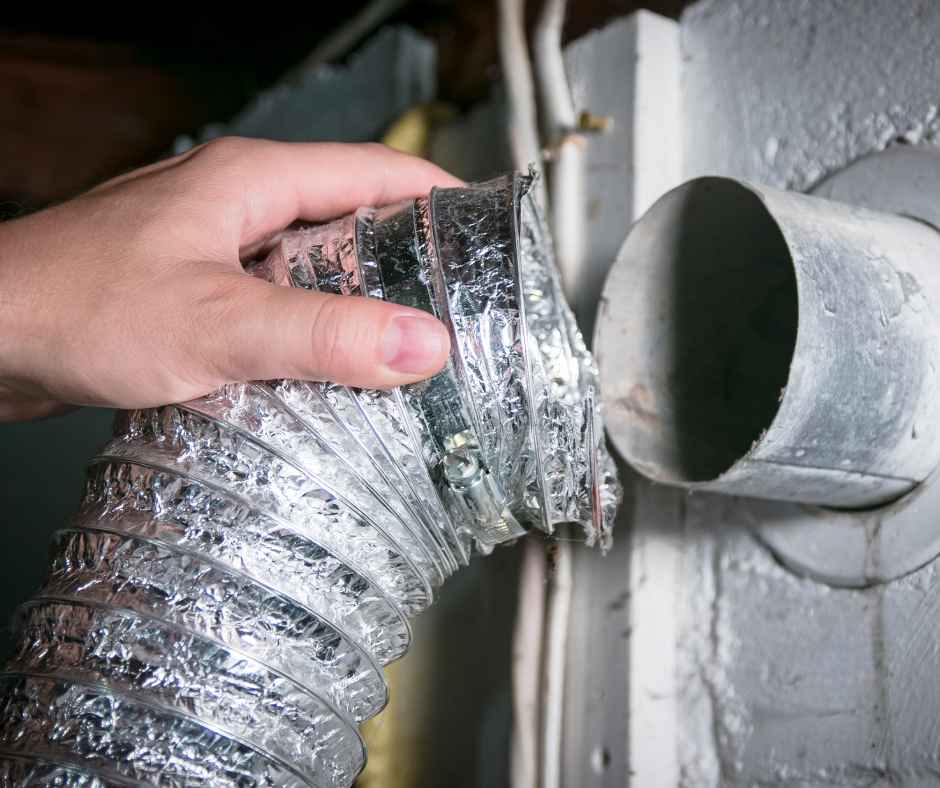
Why Your Maryland Dryer is Taking Two Cycles to Dry (And the Fire Risk You’re Ignoring)
If your dryer takes two cycles to dry clothes, the most likely causes are restricted airflow, a clogged dryer vent, lint buildup, an overloaded machine, or a failing dryer component. For Maryland homeowners, this is more than an inconvenience because trapped lint and poor ventilation can increase the risk of a dryer fire.
A dryer that needs two cycles may seem like a small household annoyance. You run the load again, wait longer, and move on with your day. But when clothes are still damp after a normal cycle, your dryer is telling you something is wrong.
In this guide, we will explain why Maryland dryers often take longer to dry, how clogged vents create fire risks, what warning signs homeowners should watch for, and when to call Staton Plumbing, Heating & Cooling for professional help.
Why Your Dryer Is Taking Longer Than It Should
A dryer works by moving heated air through wet clothes, collecting moisture, and pushing that moist air outside through the dryer vent. When airflow is restricted, moisture stays trapped inside the drum. That means clothes take longer to dry, the appliance works harder, and heat builds up where it should not.
Common reasons a dryer needs two cycles include:
- Clogged lint screen
- Blocked dryer vent
- Crushed or kinked vent hose
- Long or poorly routed vent line
- Bird nests or debris at the exterior vent
- Overloaded dryer drum
- Clothes that are too wet after washing
- Dirty moisture sensor
- Failing heating element
- Weak blower wheel
- Malfunctioning thermostat
- Worn door seal
- Poor laundry room ventilation
Some problems are simple. For example, an overloaded dryer may not allow clothes to tumble properly. But if the dryer once worked well and now consistently takes longer, the vent system should be checked.
Why Dryer Vent Airflow Matters
Dryers need strong airflow to work safely and efficiently. When hot, damp air cannot escape, the dryer has to run longer to remove moisture from clothing. This wastes energy, increases wear on the appliance, and raises the temperature inside the machine and the vent.
Poor airflow can cause:
- Longer drying times
- Damp clothes after a full cycle
- Hot clothing at the end of a cycle
- A hotter laundry room
- Burning or musty odors
- Excess lint behind the dryer
- More strain on dryer parts
- Higher utility bills
- Increased fire risk
A dryer that is heating but not drying usually has an airflow problem. Heat alone is not enough. The dryer must also remove moisture from the home.
The Fire Risk Homeowners Often Ignore
Lint is highly flammable. The lint screen catches some of it, but not all of it. Over time, lint can collect inside the dryer cabinet, transition hose, vent pipe, exterior vent hood, and wall cavity. When airflow is restricted, heat can build up around that lint.
This creates a serious safety concern. A dryer that runs twice as long is also producing heat for twice as long. If lint is trapped in the vent, the risk increases.
Warning signs of a possible dryer fire hazard include:
- Clothes are very hot after drying
- The dryer exterior feels unusually hot
- A burning smell appears during operation
- Lint collects around the dryer or vent opening
- The laundry room feels hotter than normal
- The dryer shuts off mid-cycle
- The vent flap outside does not open properly
- Drying times keep getting longer
- The dryer has not had vent cleaning in over a year
A burning smell should never be ignored. Turn off the dryer and schedule service before using it again.
Maryland Homes and Dryer Vent Problems
Many Maryland homes have dryer vent setups that increase the likelihood of airflow problems. Older homes, townhomes, condos, finished basements, and interior laundry rooms may have longer vent runs or bends that collect lint more easily.
Dryer vent issues may be more common in homes with:
- Basement laundry rooms
- Second-floor laundry rooms
- Interior laundry closets
- Long vent runs to the exterior wall
- Multiple elbows or bends in the vent line
- Plastic or foil transition hoses
- Exterior vents near shrubs or debris
- Homes with pets
- Large families with frequent laundry use
- Older dryers or older vent materials
Maryland weather can also play a role. Humid air can make clothes take longer to dry, while leaves, debris, nesting pests, and seasonal buildup can block exterior vent openings.
Signs Your Dryer Vent Is Clogged
A clogged dryer vent does not always cause the dryer to stop working right away. Instead, the symptoms usually build over time.
Your dryer vent may be clogged if:
- One load takes two or more cycles to dry
- Towels and jeans stay damp
- Clothes feel hotter than usual
- The dryer feels hot to the touch
- Lint appears around the dryer door
- Lint gathers behind the dryer
- The outside vent has weak airflow
- The vent flap does not move during a cycle
- The laundry room smells musty
- The dryer shuts off before the cycle ends
- Utility bills rise without another clear reason
You can check the outside vent while the dryer is running. If little or no air is coming out, there may be a blockage. Do not assume the problem is only the appliance. The vent path may be the real issue.
What You Can Check Before Calling for Service
Some dryer issues can be checked safely by the homeowner before scheduling professional help. Start with the basic items that affect airflow and load size.
Try these steps:
- Clean the lint screen before every load
- Wash the lint screen occasionally if dryer sheets leave residue
- Avoid overloading the dryer
- Separate heavy towels from lightweight clothing
- Run an extra spin cycle if clothes leave the washer too wet
- Check that the dryer is not pushed tightly against the wall
- Make sure the vent hose is not crushed
- Look outside to confirm the vent flap opens
- Remove leaves or debris around the exterior vent
- Keep the laundry area clear of lint, boxes, and clutter
If these steps do not solve the problem, the vent line or dryer components may need professional attention.
Why You Should Avoid Ignoring a Slow Dryer
A slow dryer costs more than time. It can affect safety, efficiency, and appliance life. Each extra cycle adds heat, energy use, and mechanical wear.
Ignoring the issue can lead to:
- Higher energy bills
- Worn dryer parts
- Overheated components
- Damaged clothing
- Moisture problems in the laundry area
- Mold or musty odors
- Dryer shutdowns
- Emergency appliance failure
- Increased fire risk
The longer the dryer runs against restricted airflow, the harder it has to work. What starts as a two-cycle drying problem can become a full breakdown or a hazardous condition.
Dryer Vent Cleaning vs. Dryer Repair
A dryer that takes too long to dry may need vent cleaning, appliance repair, or both. The key is figuring out whether the dryer is failing to heat, failing to move air, or unable to vent properly.
Dryer vent cleaning may be needed if:
- The dryer heats but clothes stay damp
- The outside vent has weak airflow
- Lint buildup is visible
- The vent run is long or has several bends
- The dryer works better when disconnected from the vent
- Drying time has gradually increased
Dryer repair may be needed if:
- The dryer does not heat at all
- The drum does not turn
- The dryer shuts off repeatedly
- Error codes appear
- The motor sounds weak
- The machine makes loud noises
- The moisture sensor is not working
- The thermostat or heating element has failed
A professional can inspect the full system and determine whether the problem is the dryer, the vent, or both.
How Often Should Dryer Vents Be Cleaned?
Most homeowners should have dryer vents inspected and cleaned regularly. The right schedule depends on laundry volume, vent length, home layout, pets, and dryer performance.
You may need more frequent dryer vent cleaning if:
- You do laundry daily
- You have a large household
- You wash a lot of towels, bedding, or pet items
- You have pets that shed
- Your vent line is long
- Your laundry room is inside the home
- You notice lint around the dryer
- Loads take longer than they used to
- The dryer is older
- The exterior vent clogs with debris
For many homes, annual dryer vent cleaning is a smart preventive step. If drying times increase before then, do not wait for the next scheduled maintenance visit.
How to Reduce Dryer Fire Risk
Homeowners can reduce the risk of dryer fires with simple habits and regular maintenance.
Use these safety steps:
- Clean the lint screen before every load
- Never run the dryer when you are asleep or away from home
- Keep the area behind the dryer free of lint
- Use rigid or semi-rigid metal venting when appropriate
- Avoid plastic or thin foil vent hoses
- Do not overload the dryer
- Make sure the exterior vent opens freely
- Schedule professional vent cleaning
- Stop using the dryer if you smell burning
- Replace damaged vent materials
- Keep flammable items away from the dryer
- Have repeated drying problems inspected
Dryer safety depends on airflow. When air moves freely, heat and moisture leave the home the way they should.
Why Call Staton Plumbing, Heating & Cooling?
Dryer vent problems can overlap with ventilation, indoor air concerns, home comfort, and appliance performance. Staton Plumbing, Heating & Cooling can help Maryland homeowners identify airflow problems, improve safety, and address the underlying cause of slow drying.
Call Staton if you notice:
- Two-cycle drying
- Weak airflow outside
- Burning smells
- A hot dryer or hot laundry room
- Excess lint behind the dryer
- Dryer shutdowns
- Musty odors
- A crushed or damaged vent hose
- A dryer vent that has not been cleaned recently
- Repeated problems after basic cleaning
Professional service helps protect your home, your appliance, and your family. Instead of guessing, a trained technician can inspect the vent path, identify blockages, and recommend the right solution.
Call Staton for Dryer Vent Help
Call Staton Plumbing, Heating & Cooling if your Maryland dryer takes two cycles to dry, feels unusually hot, gives off a burning smell, or has weak airflow at the exterior vent. These signs can indicate a clogged dryer vent, restricted airflow, or a failing dryer component, all of which should be addressed before they become a bigger safety risk.
A slow dryer is not just an inconvenience. It can waste energy, wear out your appliance, and increase the risk of fire when lint and heat build up inside the vent system. For dryer vent inspection, cleaning, and home comfort service in Maryland, contact Staton Plumbing, Heating & Cooling today. Our team can help you restore safer airflow and keep your home running smoothly.
RECENT NEWS
Strange Noises from Your Water Heater in Central Maryland? Hard Water Could Be the Costly Culprit
Is a Heat Pump Right for Your Central Maryland Home? Balancing Efficiency and Cost
Do You Need Trenchless Sewer Repair? A Guide for Central Maryland Homeowners
The Hidden Cost of Maryland Hard Water: Is a Softener Actually Cheaper Than Constant Pipe Repairs?
Spring Indoor Air Quality: Does Duct Cleaning Actually Reduce Maryland Allergies?

Hard Water in Maryland: What You Need To Know