0% APR Plus No Payments for 12 Months
on Select New Plumbing & HVAC Systems


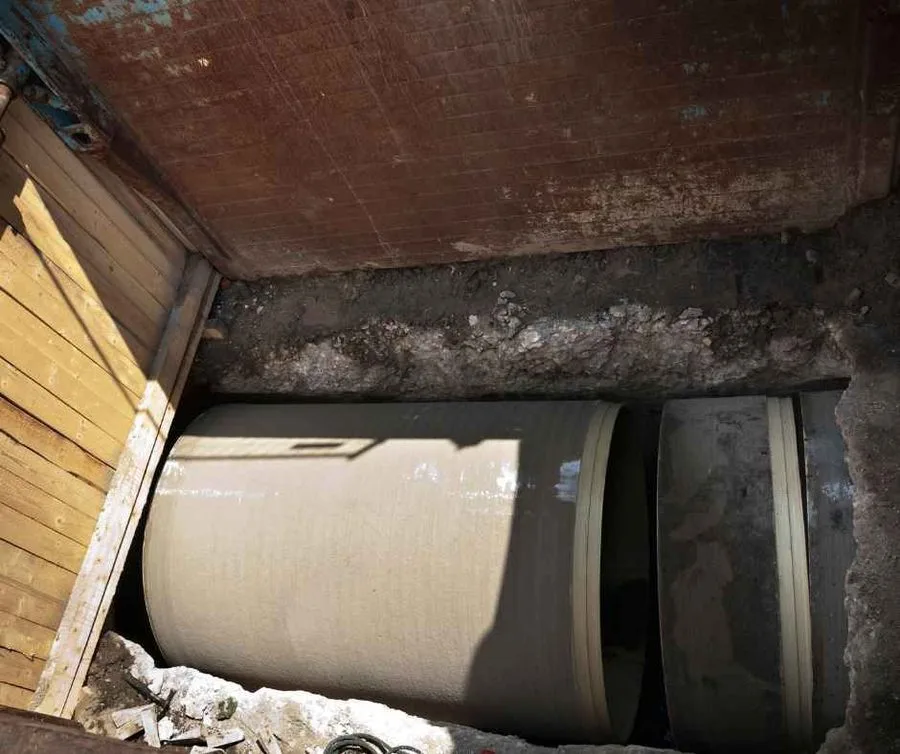
Trenchless Sewer Repair & Pipe Lining in Maryland
Book Online Now
Professional Trenchless Sewer Repairs
Sewer lines are an essential component of any plumbing system. They ensure that waste and other harmful materials are safely transported out of your home or building. However, over time, they can become damaged, and this can cause significant problems. If you have noticed signs of sewer line damage, it’s essential to act quickly. This is where Staton Heating, Cooling & Plumbing can help. We offer professional trenchless sewer repairs for the residents of Central Maryland and the Eastern Shore. Our services will ensure your sewer line is functioning properly. With our experts, you can rest assured that your needs are taken care of with the utmost care and professionalism. Don’t wait — contact us today to get started!
Contact Staton today, and let our experts solve your issues swiftly and efficiently. Don’t wait – we’re here to make your worries disappear!
What Trenchless Sewer Lining Repairs
Sewer lining is a form of cured-in-place pipe repair. We position a resin-impregnated liner inside the existing sewer pipe and hold it against the pipe wall while it cures. The cured liner forms a continuous inner surface across the section it covers. We use UV-cured lining on suitable residential sewer laterals, the buried pipes that carry wastewater away from individual homes.
The inspection determines whether to target one defect or line a longer section. We look at where the problem starts and ends, the condition of the surrounding pipe, and what connections fall along the proposed repair.
-
Cracks in pipe that still holds its shape. A liner can span a damaged section when there’s enough room to clean the pipe, position the liner, and cure it against the wall.
-
Root entry at an accessible joint. After we remove enough roots to inspect the opening, we check whether the joint is aligned well enough for a liner to cover it. The repair addresses the opening the roots were using.
-
Several defects along one run. If nearby joints or sections show deterioration, a longer liner may make sense. We check the full proposed length and note any connections we need to preserve.
-
A defect beneath a surface you want to keep. When a lateral runs under a driveway, patio, or front walk, we check whether we can reach the damage from a usable cleanout and complete the repair from there.
A spot liner covers the section we identify for repair. If the rest of the lateral includes older pipe or another material, we’ll explain what we could see on the camera and which portions would remain in service beyond the lined section.
How We Determine Whether Your Sewer Line Can Be Lined
We need a clear view of the pipe. Standing wastewater, heavy scale, and roots can hide the exact condition of a joint or crack. If the line is still blocked, we may start with main sewer line clog removal to restore flow and give the camera a better view. After clearing the obstruction, we check whether the pipe is still round enough and aligned well enough to accept a liner.
We need a usable route to the repair. An exterior cleanout is often a practical starting point. Depending on the layout, an indoor cleanout or access through a removed toilet may be possible. The size of the opening, the bends between the opening and the damage, and the condition of the pipe along that route all affect whether the lining equipment can reach the repair area. A property can have a cleanout and still need a different access point for the job.
The pipe’s grade has to support drainage. A liner follows the route and shape of the pipe it goes into. If the camera shows standing water, we check whether it clears once a downstream clog is removed. Persistent pooling may indicate a sag. When a substantial low spot, a collapse, or a badly shifted joint is driving repeat backups, sewer line repair and excavation may give us the access needed to restore the grade or alignment.
How We Complete a UV-Cured Sewer Line Repair
1. Inspect the line and mark the repair limits
We run a sewer camera through the accessible line to locate the damaged section and see what’s on either side. For a spot repair, we identify where the liner needs to begin and end so it extends across the defect. For a longer repair, we check for pipe transitions, changes in diameter, bends, and connections along the way. If the camera cannot pass a certain point, we explain how that limits what we can plan from the initial inspection.
2. Clear the roots and buildup where the liner will sit
We prepare the pipe so roots, loose scale, and accumulated debris don’t interfere with liner placement. Depending on the line’s condition and what’s inside it, that may involve a root cutter, cable, or controlled water jetting. We then inspect the prepared area again. This second look matters because a thick root mass or a layer of buildup can conceal a gap or shift that changes whether lining is viable.
3. Place the liner over the damaged section
We size the liner to the pipe and the length of the repair. For a localized UV-cured repair, we use an inflatable carrier to guide the resin-impregnated liner through the access point to the measured location. Once it’s in position, the carrier expands to press the liner against the pipe wall. If a connection falls within the area under consideration, we account for it when deciding where the liner will start and stop.
4. Cure the liner and remove the installation equipment
We use UV light to cure the resin while the liner is held in place. Once the cure is complete, we deflate and pull out the carrier. The liner stays in the pipe. We’ll tell you when to pause use of toilets, showers, sinks, and appliances that drain into the lateral. The total interruption depends on access, cleaning, installation, and verification as well as the cure itself.
5. Inspect the finished repair and verify drainage
We check the lined section with a camera to confirm that it covers the intended area and that its ends leave a clear path for wastewater. We verify drainage before telling you to resume normal water use. If we saw another area of concern outside the repair, we explain where it is and how its condition could affect the rest of the lateral.
Where Trenchless Repair Makes a Difference on Maryland Properties
In established neighborhoods around Annapolis and Glen Burnie, a home can have updated interior plumbing that still connects to an older clay or cast-iron lateral. A camera may show a single deteriorated section where older pipe meets a previous repair. If the surrounding pipe is in serviceable condition, we can assess whether lining that section would address the problem without disturbing the full route. On narrow lots where the lateral passes near a stoop or paved walk, being able to reach it through a cleanout can make a substantial difference to the work aboveground.
In wooded parts of Anne Arundel, Howard, and Baltimore counties, the same stretch of sewer can clog repeatedly when roots enter at a crack or joint. Clearing the roots lets us see the condition underneath. A sound, aligned pipe with one entry point may qualify for a spot liner. If the camera shows roots entering at several joints, we evaluate the length affected and whether the pipe between those joints is suitable for lining. On sloped lots, we also check whether the symptoms point to root intrusion alone or whether a low section is holding waste.
What Affects the Cost of Trenchless Sewer Repair
The cost depends on how we can reach the line, what we need to remove before lining, and how much pipe we can reliably repair. A short defect near a usable exterior cleanout usually presents a different scope from several damaged joints beyond a long run of roots or buildup. Having a driveway or patio over the pipe can make trenchless repair attractive, especially when you factor in what it would cost to remove and restore that surface.
When we review the estimate with you, we’ll identify the section the liner will cover, the access point we plan to use, and the preparation and verification the job requires. If the pipe needs a new access opening or there’s a section we couldn’t inspect, we’ll explain how that could affect the scope. That gives you a way to compare the trenchless option with direct excavation based on the repair each would accomplish and the disruption each would involve.
Schedule a Trenchless Sewer Repair Assessment
If a sewer camera found roots, cracks, or a failing joint, schedule an assessment with Staton Heating, Cooling & Plumbing. Tell us how often the line has clogged, where the pipe runs if you know, and whether you have footage or the location of a marked defect. We can review those findings and determine what else we need to see before recommending a spot liner or a longer repair.
Book an assessment to find out whether your line qualifies for trenchless repair. If wastewater is actively coming up through a toilet, shower, or floor drain, call for emergency sewer backup service so we can address the immediate problem.
Get in Touch With Our Team




FAQs
Frequently Asked Questions
Schedule Your Appointment Today
Don’t put off your trenchless sewer line repairs any longer
Give us a call today to schedule an appointment with one of our experienced technicians. We are dedicated to providing quality services and reliable customer service to ensure that you are satisfied with your repairs. Contact us today to schedule your appointment!
Contact Us

Client Testimonials
REAL REVIEWS FROM REAL CLIENTS
Willie Mitchell
1 day ago
Steven was polite and communicated through out the process.

Thelma Nevitt
2 days ago
The gentlemen were very professional. The work was completed quickly. It looks fantastic and my laundry room was left cleaner than I had it. Thanks so much for their care for my home. I will give them six stars if you had more stars up there..
Alli Poe
2 days ago
I’ve only experienced excellent customer service when working with Staton. Most recently we had to replace our HVAC system. Jonathan was great to work with- friendly, professional and informative!
Erin Binner
2 days ago
I had a great experience with Robert at Staton Plumbing. He was timely, communicated clearly and explained everything so I could understand. He did meticulous work. I will absolutely use Robert and Staton again for plumbing needs without a doubt.
Lynne Lawson
2 days ago
Sam and Jessie did a great job. Work was done on time and very quickly. They explained everything that needed to be done. Will use again.
Bruce Lawson
2 days ago
The technicians (Sam and Jessie) did a fantastic job. Explained everything. Work was timely. They have our business.
Laura Outland
2 days ago
They fixed my toilet! Quick and professional!
Beth
3 days ago
Andrew was awesome! He was very neat and clean and immediately diagnosed my issue with my furnace. Awesome service I will be calling again!!!!
Wayne Richardson
5 days ago
Highly recommend STATON. Called first thing in the morning and was able to get a early afternoon appointment. Completed repairs in a timely manner.
Steve and Dillon were great. Explained everything and very courteous.
Steve and Dillon were great. Explained everything and very courteous.
Mary Arps
5 days ago
Travis and Alex did a FANTASTIC job and fast!! I was so pleased. Will recommend your company In a heart beat.
They were polite, explained things to me and thoughtful.
Give them a raise!!!
They were polite, explained things to me and thoughtful.
Give them a raise!!!